Kabuki is a traditional folk theater in Japan that originated in the Edo period. It combines music, dance, pantomime, stage performances, eye-catching costumes, flashy makeup, outrageous wigs, and perhaps most importantly the dramatic performances of the actors. It has been an important form of drama for four centuries. However, it is considered one of Japan’s classical theaters and is also listed as an intangible cultural heritage by UNESCO.
History of the Artform:
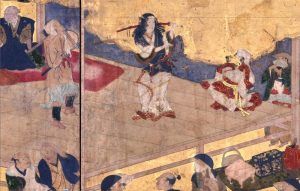
The art form of kabuki is traced back to the beginning of the 17th century when a dancer named Okuni (Assistant of Izumo Grand Shrine), a Japanese shrine maiden became a popular inventor of this theatrical art form and gathered a group of wandering female artists to perform the first dramatic entertainment program. Okuni’s Kabuki satisfied the tastes of ordinary Japanese people.
Purpose of Kabuki:
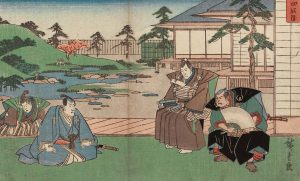
Many dramas have similar themes and plots to Western dramas. The common themes of Kabuki are loyalty, love, honor, and revenge, and love that ends in suicide. The main story usually revolves around a noble young man who fell in love with the prostitute whom he dreamed of and lower-class friends who protect them. The three main categories of Kabuki drama are; Jidai-Mono (legendary historical stories), Sewa-Mono (modern tales after 1600), and Shosagoto (dance drama).
Kabuki Make-up and Costume:
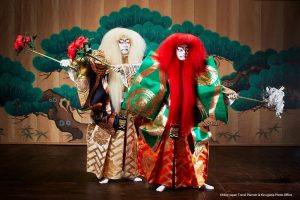
The famous Kabuki vibrant makeup style called “kumadori“, used in historical works. There are hundreds of styles in these masks, with colors and patterns that symbolize all aspects of the character. Red tends to be “good” and is used to express virtue, passion, or superhuman power, while blue tends to be “bad”, which expresses negative characteristics such as jealousy or fear.
The cross-eyed expression of mie (pose) is meant to express strong emotions. Emotions are expressed with makeup colors. Red symbolizes anger, brown symbolizes selfishness and frustration. The samurai has a white face, black eyebrows, and red lips. The women portraying makeup presents charming feminine characteristics with elegant white base makeup.

Female characters usually wear extravagant kimonos and obi. Wigs are essential accessories, with each piece of clothing has its own styled wig. Most wigs are made of real hair, but some are made of horsehair, bearskin, or yak-tail hair imported from Tibet.

Where to watch it:
Currently, Kabuki performances are held all over Japan and overseas. The afternoon performance is usually divided into two or three segments (morning and late afternoon), and each segment is divided into different acts. The cost of each performance is approximately 2,000 yen (US$18), while a full performance may cost up to 250,000 yen (2,250 U.S. dollars). Formal clothing is not required, but casual or revealing clothing is inappropriate. It is recommended to wear decent clothes and shoes.
Here are some places to see Kabuki:
Theatre in the Ginza district of Tokyo was rebuilt and reopened in 2013. This is the most convenient theater for foreign tourists. It plays almost every day and provides per-act tickets. Rental displays are provided with English subtitles and explanations.
Performances are offered several months throughout the year. English information equipment can usually be rented.
Shochikuza theater usually hosts fewer plays every year, and each play lasts for three to four weeks. English information device is usually not available.
Usually organizes various plays per year, each lasting three to four weeks.
Reference:
- The Editors of Encyclopaedia Britannica. (n.d.). Kabuki | History, Meaning, Costumes, & Facts. Encyclopedia Britannica. Retrieved June 2, 2021, from https://www.britannica.com/art/Kabuki
- Kabuki – Experience Japan | InsideJapan Tours. (n.d.). Inside Japan Tours. Retrieved June 2, 2021, from https://www.insidejapantours.com/experience-japan/i-mt010-11/kabuki/
- KABUKI official website. (n.d.). KABUKI WEB. Retrieved June 2, 2021, from https://www.kabukiweb.net/
- KABUKIï½. (n.d.). The Best of Japan. Retrieved June 2, 2021, from https://www.japantimes.co.jp/ads/the-best-of-japan/special_edition/page04.html
- Wikipedia contributors. (2021, April 30). Theatre of Japan. Wikipedia. https://en.wikipedia.org/wiki/Theatre_of_Japan