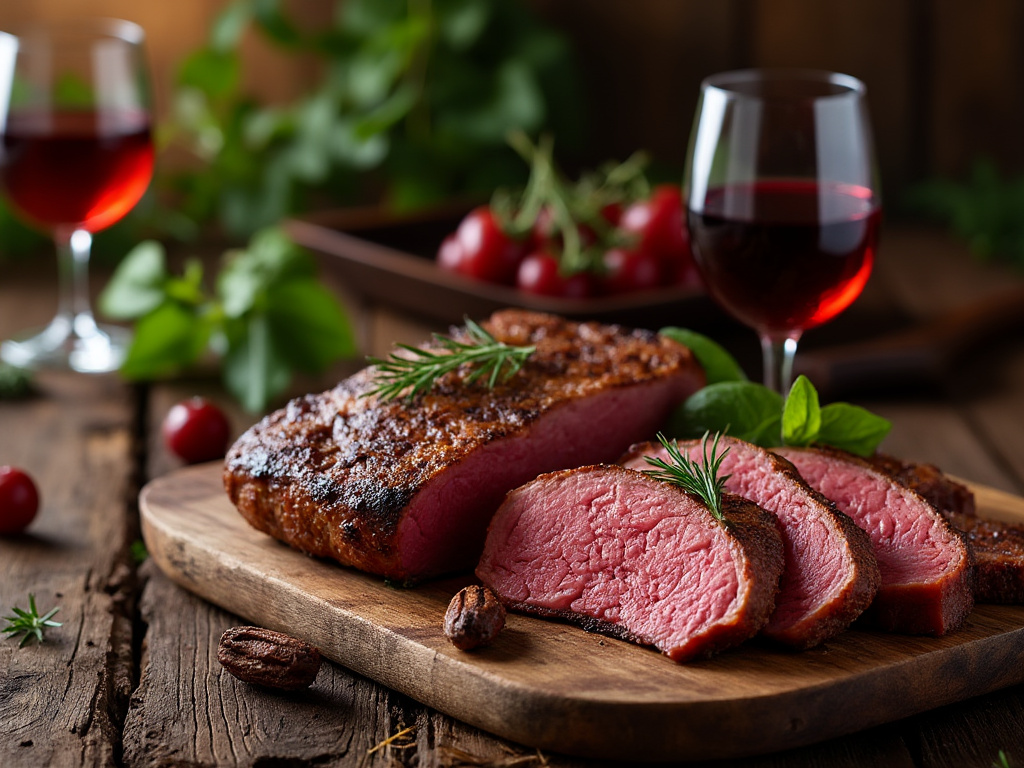

Wine is more than a beverage; it is a tapestry woven into the fabric of human civilization. From its humble beginnings in the wilds of ancient lands to its status as a global cultural icon, wine has played a pivotal role in rituals, trade, art, and daily life. Let’s uncork the bottle of history and savor the fascinating journey of wine through time.
Introduction- History of wine
Wine holds a unique place in history, often regarded as a symbol of sophistication, spirituality, and community. Archaeological evidence suggests that humans began fermenting grapes over 8,000 years ago, marking the beginning of a long and evolving relationship with this celebrated drink.
But why is wine so significant? It’s more than the intoxicating effects; wine has served as a bridge between cultures, a subject of scientific study, and a muse for art and literature. By understanding the history of wine, we also uncover a part of the human story itself.
The Origins of Wine
Early Winemaking in the Ancient Near East
The story of wine begins in the foothills of the Caucasus Mountains, particularly in modern-day Georgia. Here, archaeologists have uncovered pottery containing residue of fermented grape juice, dating back to 6,000 BCE. This discovery suggests that ancient peoples intentionally cultivated and fermented wild grapes to create wine.
Similarly, evidence from Iran, specifically jars from the Zagros Mountains region, points to winemaking practices as early as 5,000 BCE. These early vintners likely used natural yeast to ferment grapes, giving rise to a tradition that would spread far and wide.
Expansion into Mesopotamia and Egypt
By 3,000 BCE, wine had traveled to Mesopotamia and Egypt, becoming integral to religious ceremonies and trade. In Egypt, wine was associated with the god Osiris and reserved for the elite, often buried alongside pharaohs to accompany them in the afterlife. Hieroglyphic inscriptions and clay jars reveal detailed accounts of wine production and consumption during this era.
Wine in Ancient Civilizations
Greece: The Birthplace of Wine Culture
The ancient Greeks elevated wine to an art form, deeply embedding it into their mythology and daily lives. Dionysus, the god of wine, epitomized its joyous and liberating nature. Festivals like the Dionysia celebrated wine as a gift of the gods.
In social settings, symposiums brought men together to share ideas, debates, and poetry over diluted wine. This ritualized drinking emphasized moderation and camaraderie, underscoring the Greeks’ philosophical approach to wine consumption.
Rome: The Wine Empire
The Romans took Greek innovations in winemaking and expanded them across their vast empire. They introduced advanced techniques in grape cultivation and storage, including the use of barrels and glass bottles. Wine was a staple in Roman feasts, reflecting status and regional diversity. Roman writings, such as those by Pliny the Elder, reveal detailed accounts of vineyards and vintages, showcasing the Romans’ reverence for this ancient craft.
The Medieval Period: Wine’s Role in Religion
Monastic Contributions
During the Middle Ages, monasteries became centers of viticulture and winemaking. Monks meticulously cultivated vineyards, innovating techniques to improve quality and preserve flavor. Wine became central to Christian rituals, particularly the Eucharist, ensuring its continued production even in tumultuous times.
Famous wine regions like Burgundy and Champagne owe their origins to monastic efforts, with many vineyards still bearing the marks of these early caretakers.
Wine in Islamic Societies
While Islamic law generally prohibited alcohol, some regions under Islamic rule preserved winemaking traditions for medicinal and culinary purposes. During the Islamic Golden Age, scholars translated classical texts on viticulture, ensuring that the knowledge of winemaking was not lost to history.
The Renaissance and Age of Exploration
Revival of European Winemaking
The Renaissance saw a renewed interest in art, science, and winemaking. Techniques improved as viticulture became more scientific, focusing on grape varietals and soil quality. The rise of trade across Europe also encouraged the spread of regional wines, solidifying the reputations of areas like Bordeaux and Tuscany.
Globalization of Wine
With European explorers came the globalization of wine. Spanish and Portuguese settlers introduced vineyards to the Americas, while the British expanded winemaking to Australia and South Africa. Colonial expansion planted the seeds for a truly global wine industry.
Modern Wine Industry
Industrial Revolution and Technological Advances
The 19th century brought dramatic changes to winemaking. Mechanization, pasteurization, and advancements in fermentation science revolutionized the industry. Wine classifications like the French AOC system set standards that protected quality and authenticity.
20th and 21st Centuries
The rise of California as a wine powerhouse in the 20th century challenged the dominance of Old World wines. Meanwhile, regions like Chile, Argentina, and New Zealand emerged as major players. Today, sustainability and organic practices shape the future of winemaking, reflecting consumer demand for environmentally friendly options.
The Cultural Significance of Wine Today
Wine continues to hold a special place in global culture. It’s celebrated in festivals like Oktoberfest and Beaujolais Nouveau Day, while wine tourism attracts millions to regions like Napa Valley and Tuscany. Beyond the bottle, wine remains a symbol of sophistication, connection, and shared experiences.
Conclusion
From its ancient roots to its modern renaissance, wine tells a story of innovation, tradition, and human creativity. It is a unifying element that transcends borders, enriching our lives with its complexity and charm. As we sip a glass, we partake in a history as rich and varied as the flavors in the wine itself.
FAQs
- What is the oldest evidence of wine production?
The oldest evidence of winemaking comes from Georgia, with pottery containing grape residue dating back to 6,000 BCE. - How did the Greeks influence wine culture?
The Greeks celebrated wine through mythology, festivals, and symposiums, integrating it into their social and philosophical practices. - What role did monks play in medieval winemaking?
Monks were instrumental in preserving and improving winemaking during the Middle Ages, cultivating vineyards and innovating techniques. - How has globalization shaped the modern wine industry?
Colonization introduced wine to new regions like the Americas and Australia, creating a global wine culture that thrives today. - What are the future trends in winemaking?
Sustainable practices, organic wines, and technological innovations are key trends shaping the future of the wine industry.