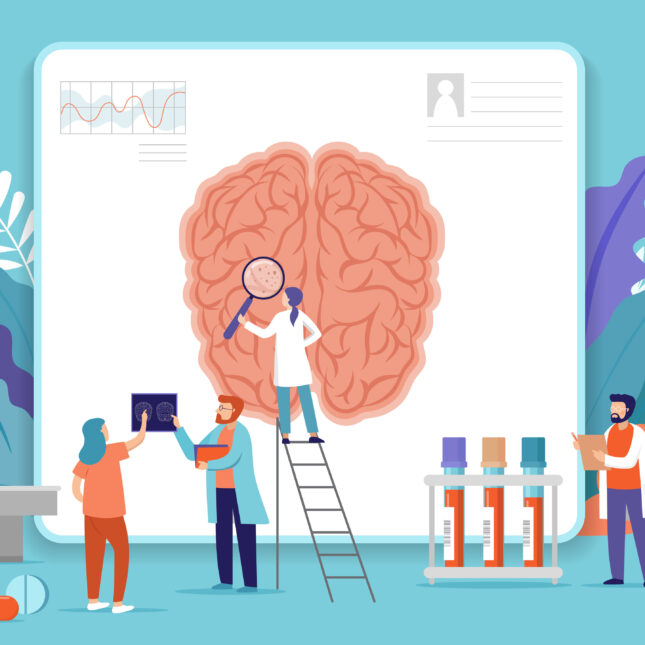
Mental health is an essential component of our overall health and well-being. It’s the state in which we can comprehend our abilities and cope with normal life pressures. Mental health also affects our physical health and our bodies coping mechanisms. Poor mental health can affect our ability to make healthy decisions and can lead to more serious diseases such as heart disease, high blood pressure, asthma and obesity. Newly introduced science, linking the brain and immune system is allowing experts to minimize co-existing conditions and help those who are already dealing with mental disorders.
Its commonly understood that the immune system is dedicated to defend our bodies against pathogens by defense mechanisms such as chemical barriers or inflammation. A healthy immune system can adjust to pathogens over time and activate more precise response to each one. On the other hand, inadvertent diseases may be caused due to an unhealthy immune system. Such abnormal immune responses can lead to immunodeficiency, autoimmune diseases and psychiatric diseases in some cases.
In recent studies there has been an association between pro-inflammatory cytokines in the bloodstream and cognitive changes. This intersection between immunity and psychology explained several phenomena. For example, it was previously thought that people suffering from chronic inflammatory diseases like rheumatoid arthritis were depressed due to reasons unrelated to their physical disease. They know it’s a long-term disease and can foresee that it will no doubt get inexorably worse until a very dismal end. But recent breakthroughs suggest that these co-morbid depressive symptoms are actually a psychological result of having raised inflammatory markers due to their diagnosis.

Pro inflammatory cytokines levels including interleukin-6 and C-reactive protein become elevated during depression. Poor treatment response to antidepressant medication is commonly associated to exhilarated cytokine levels. The formation, release or reuptake of dopamine, serotonin, and other neurotransmitters is regulated by cytokines. They induce the release of hormones that are involved in hypothalamic pituitary adrenal axis, which underlies the stress response. They also influence the ability of the brain to sustain neurons and the synaptic links between these brain cells that enable memory and learning.
Going back to the rheumatoid arthritis case, treatment resistance and depressive symptoms were induced by inflammation related pathologies, and these weren’t cured by antidepressants. This may suggest that anti-inflammatory drugs reduce depressive symptoms in patients with chronic inflammatory disease, such as rheumatoid arthritis. In addition, patients with depression are more likely to benefit from immune acting drugs than others.
Depression affects hundreds of millions of people and is the major contributor to the overall global strain of disease. There are signs in clinical trials that the approach of measuring inflammation in the blood and using needed drugs for patients who aren’t responsive to regular treatment is starting to work. For those suffering with cognitive dysfunction and withdrawal symptoms of psychosis, immune-acting drugs can be helpful for them. While antipsychotic drugs target the dopamine system to reduce positive symptoms (e.g., delusions, hallucinations), they are much less effective in controlling negative symptoms. In fact, results from clinical trials suggest that administration of non-steroidal anti-inflammatory drugs (NSAIDs) alongside antipsychotics reduces a range of psychotic symptoms.
Since mental health is quite complex, the paralleled research of neuroscience and psychology is an opportunity to look unto things from a different perspective. It’ll help in raising awareness and make an emphasis on how crucial it is to look at the patient as a whole by understanding both immunity and the mind.
References:
– Immunopsychiatry offers insights into treatment of depression and psychosis. (2017, July 03). Retrieved February 24, 2021, from https://www.psychiatry.cam.ac.uk/blog/2017/06/27/immunopsychiatry-offers-insights-treatment-depression-psychosis/
– Macciochi, J. (2019, May 17). Mental health: Emotions & immunity converge. Retrieved February 24, 2021, from https://www.drjennamacciochi.com/blog/mentalhealth
-FeaturedPsychology·February 23, 2., FeaturedNeuroscienceOpen Neuroscience ArticlesPsychology·February 23, 2., FeaturedNeuroscienceNeurotechPsychology·February 23, 2., FeaturedNeurologyNeurosciencePsychology·August 18, 2., Also, S., & FeaturedGeneticsNeurologyNeuroscience·February 16, 2. (2019, August 18). Immune system and mental health are connected. Retrieved February 24, 2021, from https://neurosciencenews.com/immune-system-mental-health-14737/