
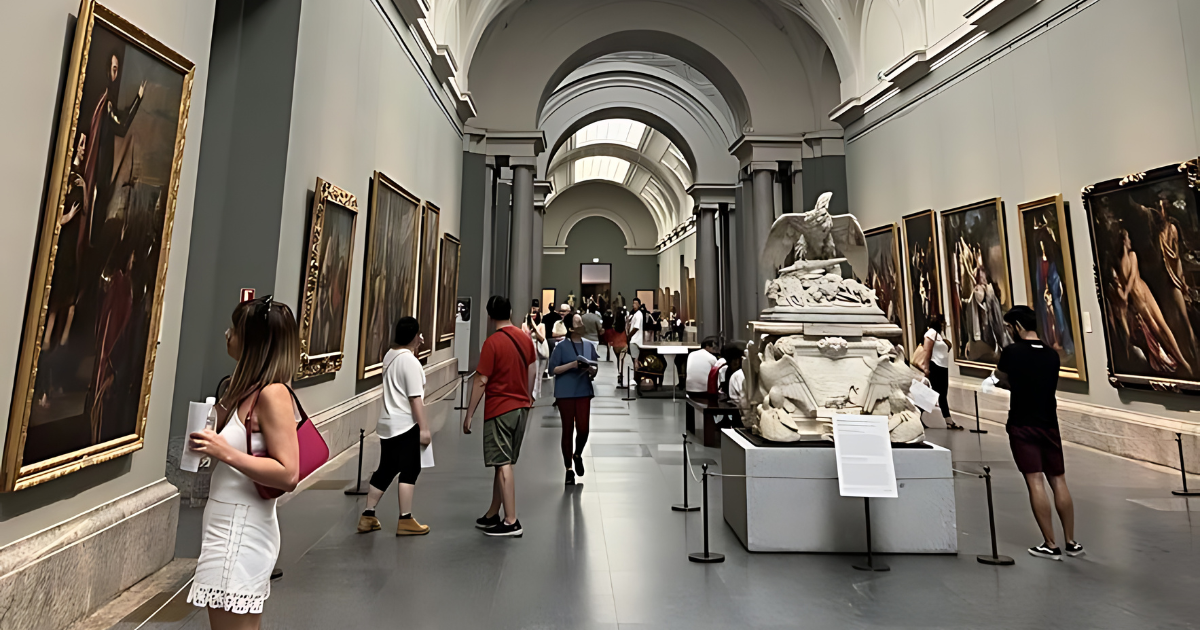
Visiting the museum is a great way to travel and catch a glimpse into the fascinating histories of the past. Additionally, buying art is a way to hold onto these experiences for a long time. However, it’s easy to get carried away by the experience when touring or overwhelmed by the beauty and variety of artworks.
To avoid snarky whistling or cautionary finger-snapping from stationed guards at the museum or succumbing to impulse purchases without considering whether the piece fits your budget or compliments your existing collections, here are some guidelines on mistakes to avoid when purchasing artwork or visiting a museum.
Following these tips can help ensure an exciting and fulfilling experience at an exhibition.
1. Not Setting a Budget:
It is easy to get swept away in the excitement of acquiring a new artwork without considering the financial impact. Therefore, setting a budget beforehand allows you to enjoy the art within your means and avoid any financial strain later on.
2. Speaking/Chatting Loudly:
The primary reason for visiting a museum is to gain knowledge and enjoy fascinating histories, which requires a quiet environment. Indeed, there’s nothing more frustrating than trying to find solitude in the museum galleries, only to be interrupted by someone loudly chatting about unrelated topics. So, I suggest staying quiet and waiting until later when you can ask questions.
3. Ignoring Origin:
Picture falling in love with a piece of art, only to later discover that its ownership history is unclear or might be unauthentic. Consequently, knowing where an artwork comes from adds value to and ensures you’re making a meaningful and ethical purchase.

4. Touching Valuable Artwork:
Every artifact or piece of art is valuable, with curators, conservators, and art historians spending centuries preserving, perfecting, and providing historical context so that the public can access knowledge through exhibitions. Therefore, these valuable artifacts should not be tampered with, even if displayed in the open.
5. Not Researching:
Imagine standing in front of a beautiful painting that catches your eye. Without knowing the artist’s story or the historical context behind the artwork, you might miss out on understanding its true significance and the emotions it’s supposed to evoke. Hence, researching beforehand can greatly enhance your appreciation.
6. Eating or Drinking in the Museum:
Every artifact is precious, and taking the risk of spilling a drink or smudging food items on these artifacts is unacceptable. Since accidents can happen, so it’s best to eat or drink outdoors and not within the museum to prevent such occurrences.
7. Ignoring Condition:
Imagine investing in a sculpture without checking its condition first. Overlooking an artwork’s state of preservation can lead to unexpected costs for restoration or disappointment if it deteriorates over time. Therefore, always inspect the condition before making a purchase.
8. Using Flash Photography:
Flash photography can cause damage to sensitive artwork. Additionally, the bright burst of light from the camera flash can distract visitors trying to enjoy their time in the museum. Many museums have strict no-flash policies to protect their collections, so it’s best to avoid flash photography to prevent removal from the museum.
9. Not Asking Questions:
Engaging with the staff when exploring museums or galleries about how the artworks can enrich your experience is beneficial. Asking about the artist’s techniques or the story behind the artwork can deepen your understanding and appreciation.
10. Disregarding Gallery Policies:
Each gallery or museum has its policies regarding purchases and returns. Ignoring these policies may lead to misunderstandings or missed opportunities to clarify crucial details about an artwork.
If you found this guide helpful, please share it with your friends and family. Moreover, don’t forget to follow our blog for more insights and advice on enjoying art and culture to the fullest. Happy exploring!


