What Are Vitamin Like Compounds?
Vitamin-like compounds are organic substances that are related to vitamins but not classified as vitamins. These compounds are necessary for the proper functioning of systems in our body, and they take part in many places. More importantly, they act as a sidekick and increase the effectiveness of the vitamins they are related to. We have 7 of them:
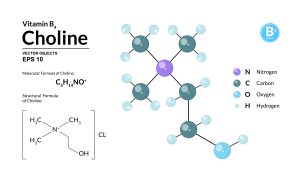
1.Choline
Choline is also known as the memory vitamin, acts as an acetylcholine precursor. (Acetylcholine is a neurotransmitter means that acts as a messenger in the space between muscle and nerve). That’s why it plays a very important role in the nervous system so in memory. It also plays an important role in liver metabolism, even it is said that choline can be beneficial for removing fat from non-alcoholic fatty liver. It exists mainly in high protein sources; like meat, dietary, and fish. That’s why vegans and plant-based people are at risk of deficiency.

2.Carnitine
Perhaps many of us are familiar with carnitine in athletes. The first thing that comes to mind about carnitine is that it aids in energy production. More scientifically; carnitine transports long-chain fatty acids to the mitochondria to β-oxidation (the process of broking down the fatty acids.) This is necessary because these fatty acids are so long that they cannot easily enter the mitochondria like the short-chained ones. The ”L” form is the active and efficient one in our body, that’s why we always see it as ‘L-carnitine’ in supplement packages. Apart from that, it is usually taken from beef, chicken, fish, and dairy products.

3.Alpha Lipoic Acid (ALA)
We have seen its name frequently in supplements, especially in recent days. This compound, also known as lipoic acid, is a very powerful antioxidant. It protects cells from damage in many parts of the body, especially those in the brain. It also helps in energy production, as it plays an auxiliary role in the breakdown of carbohydrates. We can found them in vegetables such as spinach, broccoli, Brussels sprouts, peas. It is said that ALA can be beneficial for cancer patients, BUT patients already undergoing chemotherapy should be careful, because it may reduce the effect of drugs.

4.Inositol
Inositol is sugar in our body. Its main role is to participate in the structure of the cell membrane. It also affects the insulin hormone and chemical messengers in the brain. Researches say that there is a potential to be mentally beneficial; like panic disorder, depression, and even bipolar disorder. Added to all these, it is beneficial for women with polycystic ovary syndrome (PCOS), it has been found to improve egg quality and regulate the menstrual cycle. We can acquire inositol from cabbage, legumes, beans, seeds, and nuts. But caffeine causes the inositol level to decrease 🙁

5.Para Amino Benzoic Acid (PABA)
PABA, also known as B10, supports the production of folic acid and is beneficial for the skin and hair. In previous years, it was used in sunscreens due to its feature of absorbing sunlight, but later it was not preferred because allergic reactions have appeared. It has been observed that during the period of taking the supplements, it darkens the hair color and returns the gray hair to its former color. Apart from supplements it is found in liver, rice, eggs, and yeast.
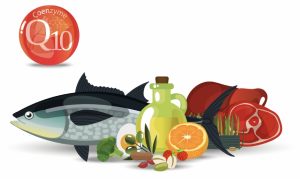
6.Coenzyme Q10
Coenzyme q10, also called ubiquinone, acts as a redox component; it neutralizes free radicals and reduces oxidative stress in the body. (oxidative stress can cause tissue damage, inflammation, and cellular apoptosis, or cell death.) Therefore, it is very important because oxidative stress is associated with Parkinson’s disease and Alzheimer’s disease. Necessary for the protection of cells, energy and known as beneficial to the heart. You can found them in meats and grain proteins, but not much. So, supplements can be needed.

7.Bioflavonoids
Bioflavonoids, also called vitamin P, are powerful phytochemicals and are found in almost every fruit and vegetable. We can divide them into groups such as isoflavones, anthocyanidins, flavans, flavonols, flavones, and flavanones. Their main function is treating capillary bleed; it is beneficial against blood flow impaired by cracking of capillaries. Therefore, it is effective in fighting varicose veins. It also plays an effective role in the health of the heart vessels; hemorrhoids, which is also a vein problem. Its food range is quite wide; found in fruits, vegetables, tea, chocolate, wine, and nuts.
Rereferences:
Burçin Güngör,Biochemistry,2020fall
https://www.webmd.com/diet/foods-high-in-choline
https://ods.od.nih.gov/factsheets/Carnitine-HealthProfessional/
https://www.webmd.com/vitamins/ai/ingredientmono-767/alpha-lipoic-acid
https://www.healthline.com/nutrition/inositol#dosage
https://www.google.com/amp/s/diyetisyenemreuzun.com/b10-vitamini-paba-nedir-faydalari-etkileri-dozaji-ne-olmali/amp/
https://www.healthline.com/nutrition/vitamin-b-10#safety-precautions
https://www.tavsiyeediyorum.com/makale_1953.htm
https://www.medicalnewstoday.com/articles/324113#sources-and-dosages
https://draxe.com/nutrition/bioflavonoids/
https://www.britannica.com/science/vitamin/Vitamin-like-substances