Ever enjoyed the beauty of an Indian classical dancer fully groomed in the traditional costume and with the bells that give the soul to the music. The Ghungroo is a kind of musical anklet that is tied across the calves of dancers in India which will accentuate the rhythmic acoustics of the feet. Ghungroos are a conventional and essential part of many distinct Indian classical dances, which include Kathak, Bharatnatyam, Odissi and Kuchipudi.
Indian classical dancers (as nicely as classical dancers from different components of the Indian subcontinent) are required to put on Ghungroos which will make certain the target market can become aware of and recognize the complicated footwork that is going into the dance. The Ghungroo produces a pleasant tinkling sound that’s the ideal musical adornment for the complicated but fluid actions which are a function of Indian dance. (Hesse et al., 2007)
 There is a distinction between a Ghungroo and Ghungroos. A Ghungroo is a globular bell i.e. a metal globe approximately 2 cm in diameter with a tiny ball of metallic inside it to supply a tinkling bell-like sound whilst motion occurs. Ghungroos are made via way of means of stringing those tiny bells on a sturdy thread or rope or sticking them directly to thick fabric like leather.
While a starting dancer need now no longer put on greater than 50 Ghungroos, greater skilled dancers are predicted to put on greater; the senior maximum dancers put on 2 hundred or greater bells consistent with the foot. This is due to the fact it takes exercise and an excellent quantity of ability so that it will convey off a heavy set of Ghungroos even as acting complex dances. The sounds produced via way of means of this different ethnic accent will range relying upon the metal additives of the jewellery and its size.
Ghungroo in the north Indian lifestyle as it’s far totally worn at the feet, this dance accent is massive now no longer most effective in phrases of the sounds however additionally in phrases of the look. For instance, in Kathak, Ghungroo anklets whole the dancers’ apparel and intensify their gown in addition to their movements. Many dancers put on a huge set of Ghungroos achieving until the knees to exhibit their scalability and upload layers of lovely sound to their performance.
It fits fantastically with the conventional Kathak clothing just like the Anarkali salwar kameez and the lehenga choli and is splendidly displayed whilst the dancer takes the characteristic swirls and turns. This is due to the fact speedy and/or repetitive turns motive the skirt part of the outfit to flare out, therefore revealing the Ghungroos worn below.
The Indian Ghungroo is always made from metallic to create the different metal twinkle and ringing sound. The metals used for the outer casing might also additionally range among the brass, bronze and silver, which might be all taken into consideration the maximum appealing and suitable substances for developing Ghungroos. The internal bead is normally made from iron because it isn’t visible and subsequently does now no longer must have a lovely look. The string on which they are connected may be made greater ornamental as well, via way of means of including on colourful tassels or via way of means of dyeing it a different colour like indigo or blood red.
Ghungroos have additionally inspired extra generally worn ethnic add-ons which include payals. Rather than having layer upon layer of heavy bells, payals are easy silver anklets strung with a few bells. They are worn via way of means of ladies as younger as years antique and are taken into consideration both fortunate and top for the fitness of the wearer. 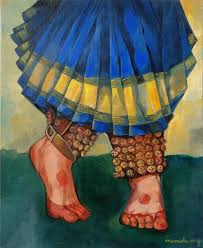 They may be worn on a daily basis as they’re small sufficient to be hidden if vital and flexible sufficient to fit with extraordinary varieties of outfits Ghungroos are worn during Indian classical dance performances and suit pleasantly with conventional Indian dance costumes. This consists of the costumes of numerous dances which include Kathak, Bharatnatyam, Odissi and Kuchipudi. It is the affiliation with Kathak that has made Ghungroos without a doubt famous and widely known to the overall public. (Rizvi et al., 2020)
Kathak is the Indian classical dance that has most customarily been featured on the huge screen, in films such as “Mughal-E-Azam”, “Manichithrathazhu”, “Umrao Jaan”. In those films, actresses like Rekha, Madhubala and Shobhana are visible sporting absolutely actual dance costumes which include the massive and distinguished Ghungroos on their toes.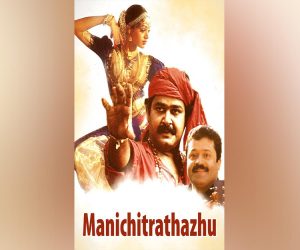
Indian conventional dance is all approximately developing a harmonious combo of visible aesthetics, acoustics and movement. Therefore quite a little interests are paid to each element of the outfit. In Kathak, Ghungroos are normally paired up with lehenga cholis and Anarkali salwar kameez, whilst in Bharatnatyam, they’re paired up with specific saree costumes which include a couple of and colourful portions of material mixed to appear to be a saree. (Pattnaik et al.)
Along with Ghungroos, heavy gold earrings is normally brought to the costume, which includes conventional portions like the mang tikka, Nath and bangles. The makeup thing is likewise very essential to the look; smartly tied returned hair (in Kathak an extended braid is vital whilst in Bharatnatyam a bun is required), henna tattoos for the palms and toes and massive bindis are a number of the essential info of the whole conventional dancer’s look.
REFERENCES
Rizvi, A. (2020). Ghungroo. Dastavezi: The Audio-Visual South Asia, 2.
Pattnaik, S., & Samantaray, S. P. Comparative Study on Classical Dances: Odissi & Bharatanatyam.
Hesse, R. W. (2007). Jewelrymaking through history: An encyclopedia. Greenwood Publishing Group.