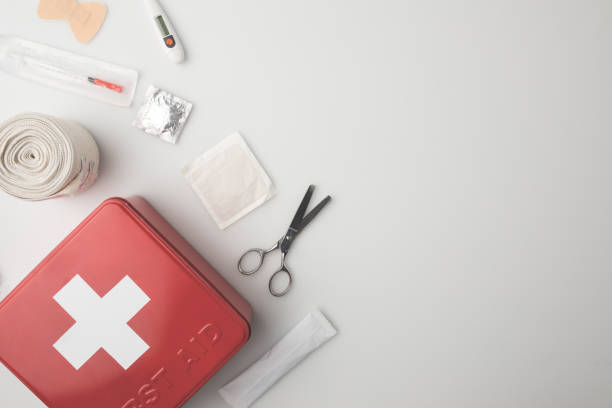
In daily life, small accidents can happen to us, and we encounter some injuries as a result; blisters, minor cuts, frostbite, minor burns, sunburns, and so. They are the basics of first aid, and knowing what to do with them can make life easier for us. In this article, we have compiled these problems and how to treat them from the recommendations of the ‘American Academy Of Dermatology Association’.
Blisters:
Blisters appear on the body where body parts rub together or rub against clothing; it is also important to prevent before treat.
To prevent:
- Protect your inclined area by wearing the right clothing, soft bandages, powder, or petroleum jelly (known as vaseline)
- Stop the activity with discomfort.
Treat:
- Cover the blister
- Do not pop them against infection
- Keep the area clean
https://youtu.be/lIvLRG31MZI
Minor Burns:
It usually consists of touching things like a hair straightener, a hot stove, etc. According to severe burns, they are only in the upper layer and can be treated at home. However, there are two issues to be aware of: if the first-degree burn area is in a large area or the patient is an elderly / infant, a doctor’s help should still be sought.
- Cool the burn; cool tap water or apply cold, wet compresses for like 10 minutes until the pain relieves.
- Apply petroleum jelly two to three times daily; do not prefer toothpaste or butter on the burn. Do not apply topical antibiotics.
- Cover the burn with a nonstick, sterile bandage; if blisters form, do not pop them and isolate them.
- Consider taking over-the-counter pain medication like acetaminophen or ibuprofen; They do not just reduce the pain but also the inflammation.
- Protect the area from the sun; by wearing protective clothing or applying water-resistant sunscreen with an SPF of 30 or higher.
Minor Cuts:
Such injuries are often caused by knife accidents or small pieces of glass, etc. To treat them, follow the tips below;
- Wash the cut to prevent infection with soap and water; cleaning the area prevents short-term germ entry in the opening.
- Stop the bleeding; apply pressure by using a clean washcloth or gauze to stop the bleeding.
- Apply petroleum jelly; this will provide the necessary moisture while at the same time allowing the wound to heal. Continue to apply several times a day until the wound heals.
- Cover the cut with a sterile bandage to protect
- Consider taking over-the-counter pain medication; Acetaminophen can help relieve painful cuts.
Make sure your tetanus vaccination is up to date if your cut is from a dirty or rusty object.
Wounds:
Wounds may be related to minor injuries or medical intervention such as surgery. To treat them, apply the followings;
- Always keep your cut, scrape, or another skin injury clean; by gently washing it with soap and water.
- To help the injured skin heal, use petroleum jelly to keep the wound moist.
- Cover the skin with an adhesive bandage and change your bandage daily
- Apply sunscreen to the wound after it has healed.
If your injury requires stitches, follow your doctor’s advice on how to care for the wound and when to get the stitches removed.
https://youtu.be/msw820Uwd0s
Sunburns:
- Take frequent cool baths or showers to help relieve the pain; after, apply a moisturizer contains aloe vera or soy to help trap the water in your skin. Do not treat with “-caine” products (such as benzocaine); they may cause irritation of the skin or an allergic reaction.
- Consider taking aspirin or ibuprofen to help reduce any swelling and relieve the pain.
- Drink extra water.
- If your skin blisters, allow the blisters to heal and not pop them.
- Take extra care to protect sunburned skin while it heals; by wearing full-coverage clothes.
https://youtu.be/_e0YO2-Endc
Warning: Although we can treat minor injuries ourselves, it should be known that there are many different factors in determining the severity of injuries. Apart from these, if any unexpected disturbance or reaction derivative is seen, a doctor should be definitely consulted.
Reference:
https://www.aad.org/public/everyday-care/injured-skin/burns