Planning an aesthetic Europe travel? This hub guide covers the most photogenic cities in Europe Paris, Florence, Rome, Vienna, and İstanbul with links to detailed 48-hour routes, hidden café maps, and photo spot guides for each. Learn how to chain cities by rail, chase the right seasonal light, and travel like a creator, not a tourist.
Discover unforgettable experiences around the world with GetYourGuide!
From museum tickets and city tours to boat trips and day activities, you can find thousands of experiences in one app. Use code MOZARTCULTURESTR5 Get an extra 5% off all bookings.
There are two ways to see Europe. The first is the checklist: fifteen cities in twelve days, a photo of every landmark, and no memory of any of them. The second is the one this site exists for — fewer cities, better light, and the corners that make each place itself. Below is the master map of that second Europe, built city by city.
1. How to Plan a Trip Around Light, Not Landmarks
Landmarks don’t move; light does. The single biggest upgrade to any Europe itinerary is scheduling around the sun instead of the sights. Mediterranean cities like Florence and Rome give their best hour just before sunset, when stone turns amber. Northern capitals like Paris reward sunrise, when boulevards empty and the light stays soft until mid-morning. Build each day as three blocks — sunrise exterior, midday interior, golden-hour viewpoint — and every city becomes twice as photogenic.
2. Paris — Hidden Cafés and Quiet Corners
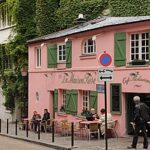
Paris rewards travelers who leave the boulevards. Behind the postcard city is a network of covered glass passages, canal-house cafés, and Montmartre lanes where the queues never reach. Start with La Maison Rose before 9 AM, take the rainy hours to Galerie Vivienne, and end at blue hour on the Seine with Notre-Dame lighting up across the water.
Signature experience: Coffee in a converted lock-keeper’s house on Canal de l’Ourcq. When to go: May–June or September, when terraces are open and light lasts. → Read the full guide: Hidden Cafés & Corners in Paris
3. Florence — The Renaissance in Ten Frames
Florence is small enough to walk and dense enough to fill a memory card in a weekend. The move is vertical: mornings along the Arno bridges, afternoons in Oltrarno’s artisan workshops, and every golden hour on a hillside — San Miniato al Monte, the Rose Garden, or Fiesole across the valley. In April, the Bardini Garden’s wisteria tunnel alone justifies the flight.
Signature experience: Vespers at San Miniato while the whole city glows below. When to go: April for wisteria, October for soft light and thinner crowds. → Read the full guide: 10 Aesthetic Photo Spots in Florence
📍 One Purchase, Every City
Each city on this page has its own 48-hour guide + interactive Google Maps layer every spot pre-pinned, sorted by time of day and light. Collect them individually or grab the full MozartCultures Europe Bundle and load an entire continent into your phone before takeoff.
4. Rome — Ancient Stone, Cinematic Light
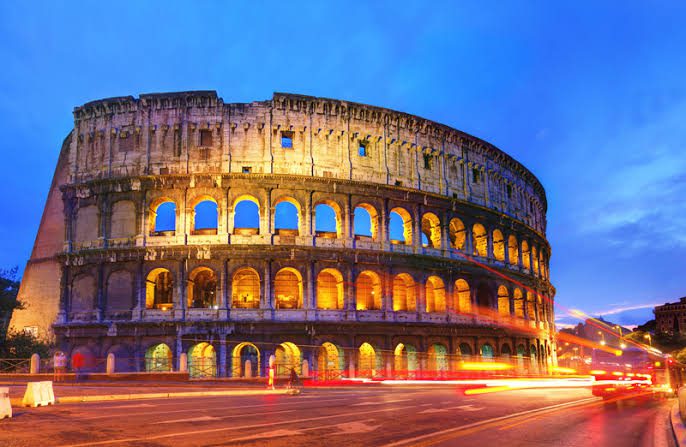
Rome is the most cinematic city in Europe because it was built in layers: ancient, baroque, and modern share single streets. The aesthetic play is contrast — the Pantheon’s oculus at noon, Trastevere’s ochre alleys at dusk, and the Aventine keyhole at sunrise before the line forms. Skip midsummer; Roman light in late October is the warmest of the year.
Signature experience: An empty Piazza Navona at 6:30 AM, fountains running for no one. When to go: October–November or March–April. [→ City guide coming soon] (future cluster article)
5. Vienna — Coffeehouse Culture as an Art Form
Vienna’s cafés are UNESCO-listed intangible heritage, and they photograph like film sets: marble tables, thonet chairs, chandeliers, newspapers on wooden holders. Pair the coffeehouses with the city’s imperial staircases and Jugendstil details, and winter becomes the best season snow outside, melange inside.
Signature experience: A slow afternoon at a century-old coffeehouse with one cake and three refills of water. When to go: December for atmosphere, May for palace gardens. [→ City guide coming soon] (future cluster article)
6. İstanbul — Two Continents, One Golden Hour
İstanbul gives creators something no other European city can: a skyline of domes and minarets lit twice — sunrise over Asia, sunset over the old city. Between them are tulip-glass tea gardens, the painted stairs of Balat, and ferries that double as the cheapest photography platform on earth.
Signature experience: The Kadıköy–Karaköy ferry at sunset, tea in hand, gulls alongside. When to go: April for tulips, September–October for clear golden hours. [→ City guide coming soon] (future cluster article)
⏳ 48 Hours Is Enough — If the Route Is Right
Our city guides all follow one promise: land, open the map layer, and know exactly where to be at every hour of light. No research, no screenshots, no wasted mornings. Start with Paris or Florence — both routes are live now.
7. Chaining Cities by Rail — The Creator’s Route
Europe’s rail network is an itinerary generator. The classic aesthetic loop runs Paris → Zurich or Milan → Florence → Rome, with the Alps as a free cinematic interlude between them. Eastward, Vienna connects to Budapest and, with a flight, to İstanbul. Night trains are back across the continent and solve two problems at once: transport and accommodation, plus a sunrise arrival — the best light of the day, delivered to a new city.
8. When to Go — A Seasonal Light Calendar
Spring (April–May): Wisteria in Florence, tulips in İstanbul, café terraces reopening in Paris. The continent’s most colorful window. Summer (June–August): Longest days but harshest light and biggest crowds; shoot before 9 AM and after 7 PM only. Autumn (September–October): The photographer’s season — warm low light, fewer people, harvest colors. Winter (November–February): Vienna’s coffeehouses, Paris under grey-silver skies, and empty museums everywhere. Interiors win.
9. What to Pack — The Minimal Creator Kit
One camera body, one wide lens (or a phone with a clean lens and 30 GB free), a power bank, and shoes you can walk twenty kilometers in. Add a paper notebook: the notes you scribble at a café table become captions, blog drafts, and the reason your content sounds like a person instead of a brochure. Everything else is weight.
FAQ: Planning an Aesthetic Europe Trip
What are the most instagrammable cities in Europe?
Paris, Florence, Rome, Vienna, and İstanbul consistently top creator lists for their walkable historic centers and photogenic light. Smaller contenders like Lisbon and Prague follow closely. The key is depth over breadth: 48 focused hours in one city outperforms a rushed multi-city sprint.
How many days do you need for a Europe trip?
For a creator-paced trip, plan roughly 2–3 days per city plus travel time: two cities fit comfortably in one week, and four to five cities in two weeks by rail. Anything faster sacrifices the golden hours that make the trip worth photographing.
What is the cheapest way to travel between European cities?
Trains booked 2–3 months ahead and long-distance buses are usually cheapest for city-to-city hops, while night trains save a hotel night. A Europe travel guide PDF with pre-pinned maps also cuts hidden costs — less aimless wandering means fewer wasted half-days.